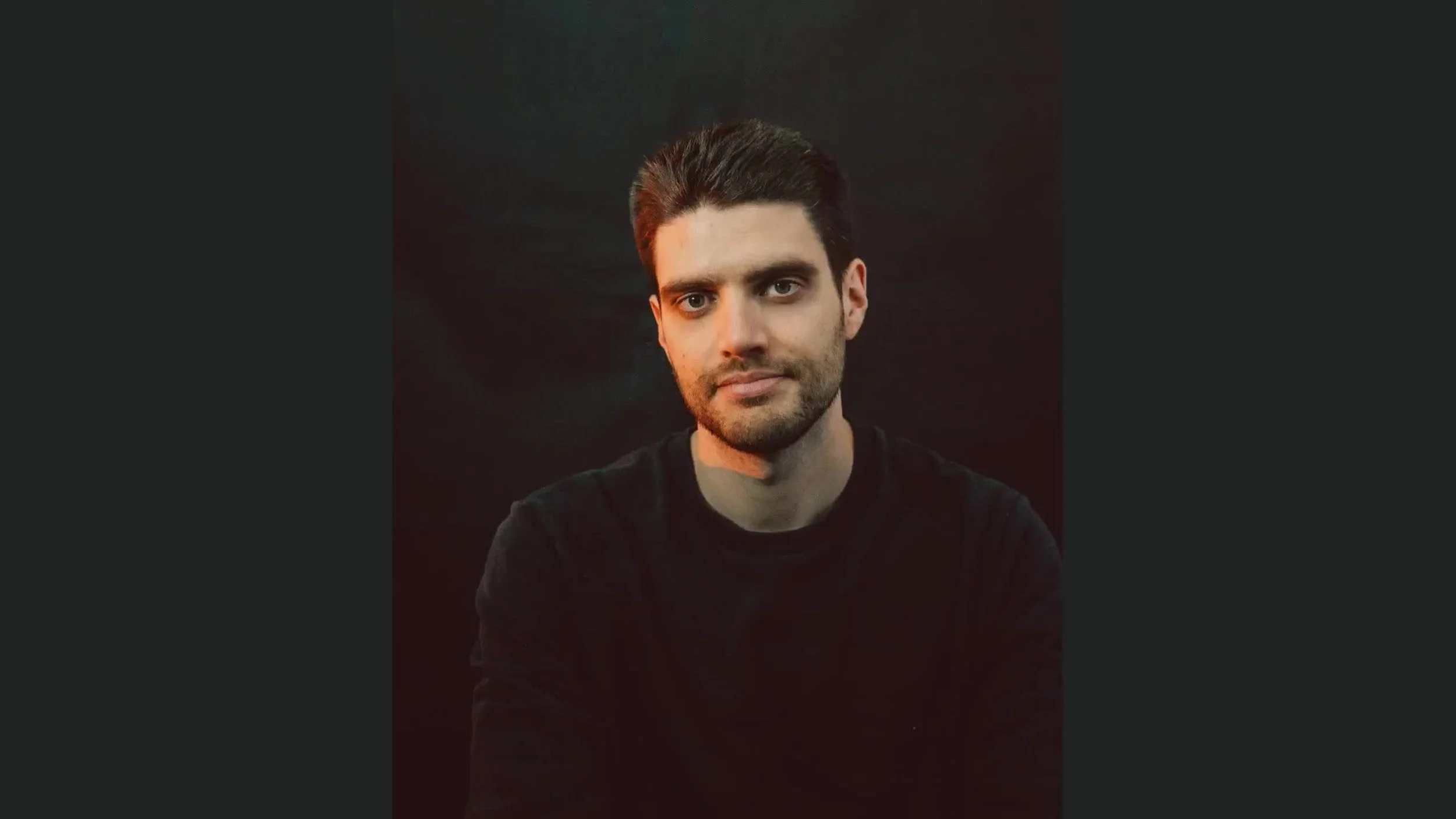
Sebastian Whale is a journalist and author of two books, The Usual Channels: Inside the Mysterious World of Political Whips, and Call to Order, a biography of John Bercow, the former speaker of the UK House of Commons. He is currently writing a political/Brexit satire called The Policy. He is also the proud writer of a spectacularly unpublished novel.
Who was the very first writer you ever got into?
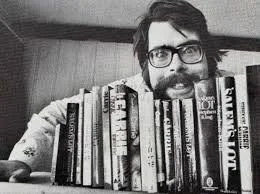
There were lots of books I loved growing up — The Curious Incident of the Dog in the Night-Time by Mark Haddon, Philip Pullman’s His Dark Materials trilogy — and authors whom I read multiple times (Rowling, Blyton, Dahl, etcetera), but my honest answer is Stephen King.
I’ve always loved horror — good horror, allegorical horror… not arbitrary slash-and-gore, what-the-hell-was-that-about horror — that riffs on common experiences, life events, or fears. I think King (who, particularly in his early work, drew on his own demons) is the master of the form.
Graham Greene has my heart now, but I’ll always revisit the King.
What book have you reread more than any other?
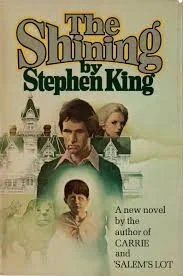
It will come as no surprise, then, that the book I’ve reread more than any other is The Shining. I’ve probably picked it up six times, each at different points in my life.
My sole controversial opinion (about anything) is that I don’t like the film adaptation, which, for me, misses the essence of the book. I mean, it’s obviously fine, but I treat it almost like a different story.
The true horror of The Shining is Wendy Torrance’s wretched choice between keeping her family together while also protecting her troubled son, who still worships his father, despite being on the receiving end of suspected physical abuse long before they moved into the Overlook Hotel. While it may seem obvious the choice she should make, arguably, it isn’t until it’s too late. Before she can get Danny away from Jack, Jack away from Danny, and all of them away from the predatory Overlook Hotel, the Torrances are snowed in.
The hotel exploits Jack Torrance’s vulnerabilities, using his traumatic past and struggles with alcoholism against him. There’s troubling uncertainties; did Jack mean to break Danny’s arm, or was it, like he justified repeatedly, an accident? I’ll never forget how King writes about Jack’s desperate longing for a drink, how his lips chap from wiping his wet mouth with a handkerchief. The book considers so many themes that are surface-level at best in the film, and is spared the reductive, hysterical way Stanley Kubrick treated the character of Wendy.
What’s the strangest book you’ve ever loved?

Little Scratch by Rebecca Watson. The whole book is written from inside the mind of the central character, stream of consciousness style, with text spread randomly across pages. I think it’s one you either ‘get’ or you don’t, and it really hit the mark for me. Pretty experimental, but after a page or two, I followed the story closely, and read it in one sitting.
Who is your favourite contemporary writer?
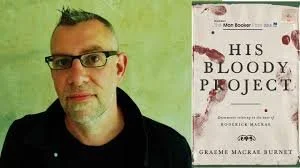
Graeme Macrae Burnet. His Bloody Project, which was short-listed for the Booker Prize in 2016, is one of my all-time favourite books. Graeme writes faux-true crime, using ‘found’ documents and other techniques to create the illusion of a real story. Often his cases are quite contained, not overly elaborate or eventful, but explore ideas around psychology and human behaviour that demand second or third reading. His books are the quintessence of reading for me: pure escapism, a true immersive experience.
What’s your favourite film adaptation of a book?
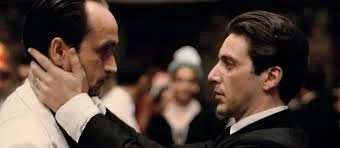
Not an especially original choice, but it would have to be The Godfather. I think the way Francis Ford Coppola stayed so true to the book, while also adjusting the odd scene so it worked better for film — not least the opening shot — is nothing short of genius.
What’s the best non-fiction book you’ve ever read?
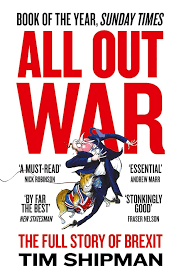
Hmmm. If it’s politics — and Westminster politics at that — then Tim Shipman’s All Out War takes some beating (in terms of global politics, I also recently enjoyed Anne Applebaum’s Iron Curtain and Katja Hoyer’s Beyond the Wall, two different studies on a similar topic). For an unvarnished (but well-written) insight into a fascinating world, Kitchen Confidential by Anthony Bourdain. In terms of sport… maybe Sam Smith’s The Jordan Rules. With narrative non-fiction, I loved The Moth and The Mountain by Ed Caesar. A Night to Remember, Walter Lord’s classic on the sinking of the Titanic, has a remarkable brevity and lightness of touch.
Tell us about a book that didn’t live up to the hype.
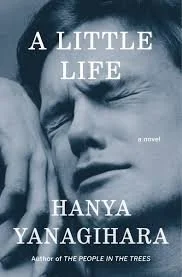
I’m reluctant to choose a contemporary book, but given the vast success of the author and the book itself, I think it’s okay to ‘go there’, as wiser heads absolutely love it…
My choice is Hanya Yanagihara’s A Little Life (which, I should add, I haven’t finished). It feels like a very rich meal, which at first you think, ‘Wow, this is delicious, holy smokes’, before it becomes a bit too much, and you need something to cut through it. A bit of acidity (or humour, joy, hope — something — in this case. Especially at more than 700 pages).
A book like Douglas Stuart’s Shuggie Bain was another incredibly sad story with rich, three-dimensional characters, but its triumph for me was that, despite it all, there was a light, a sense of optimism somehow, that ultimately shone through.
Do you have a favourite poem?
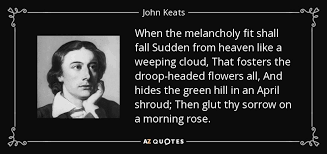
John Keats’ Ode on Melancholy. We studied it at school, and I always remember our teacher explaining the meaning of the poem, about embracing intense emotional experiences and whatnot. Being a bit of a serious teenage soul at the time… I dunno… it struck a chord.
What are you reading right now?
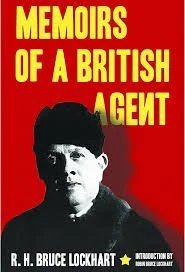
I’m still working my way through Hanya Yanagihara’s A Little Life, while also nursing Simon Winchester’s book on the Atlantic. This year my favourite books include classics like Memoirs of a British Agent by Bruce Lockhart (who served during the outbreak of the Russian revolution), The Woman in White by Wilkie Collins, and Dickens’ Hard Times.
Sebastian Whale’s books The Usual Channels: Inside the Mysterious World of Political Whips and Call to Order are available to order now from Biteback Publishing and all good book stores.
